Where Digital Life Leaves Screens
AR, VR, and XR are innovative new spaces for meaningful interaction.
AR, VR & XR
|
7 min read

Written by:
Sophia Martinez
XR Designer
Where Digital Life Leaves Screens
Written by:
Sophia Martinez
XR Designer
Share this to:
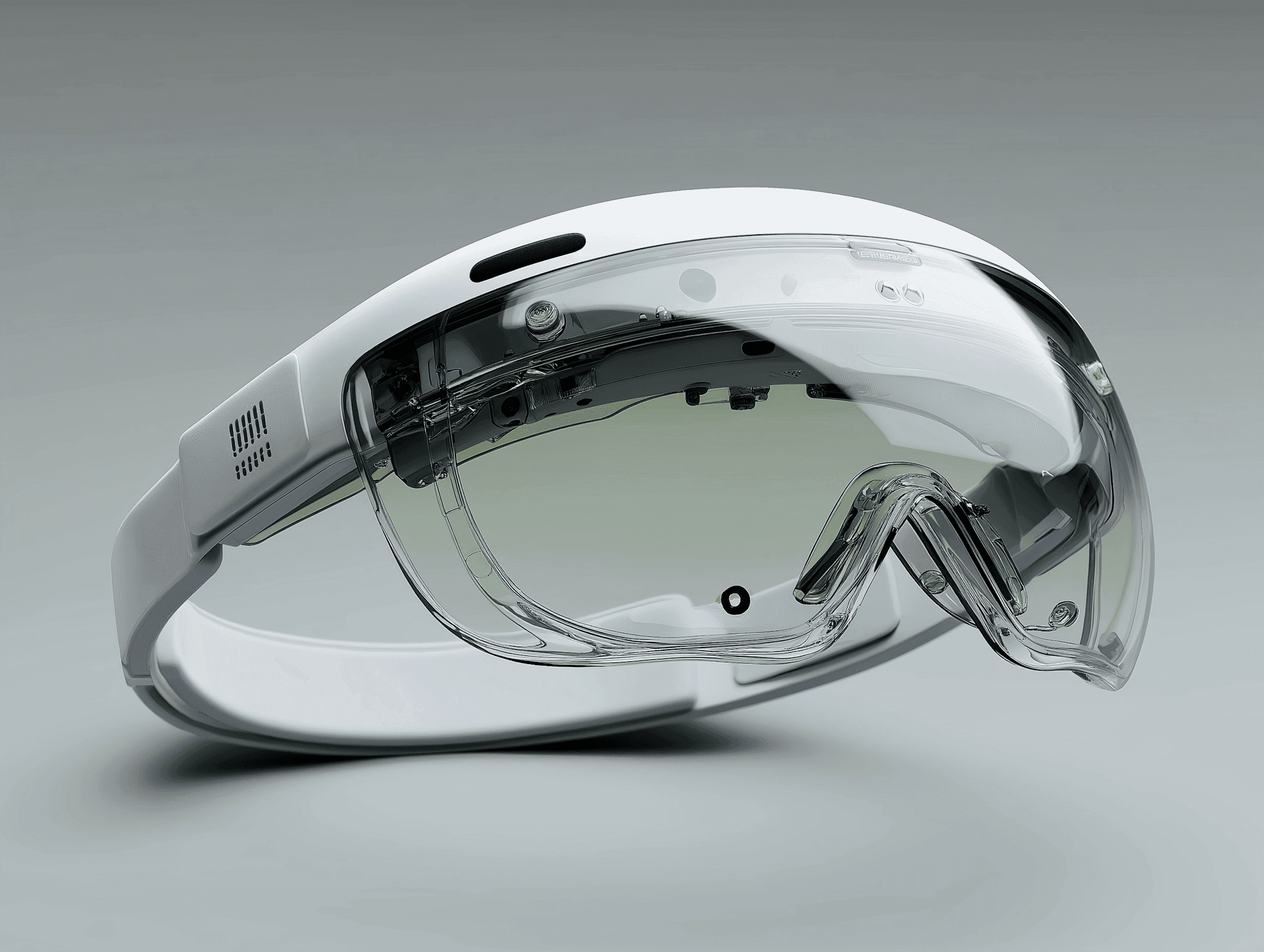
Screens were once our window to the vast and expansive digital world. Today, that immersive and captivating world boldly steps into our everyday lives. AR and VR offer an experience of deep immersion that feels personal, physical, and truly unforgettable.
The Rise of Immersive Design
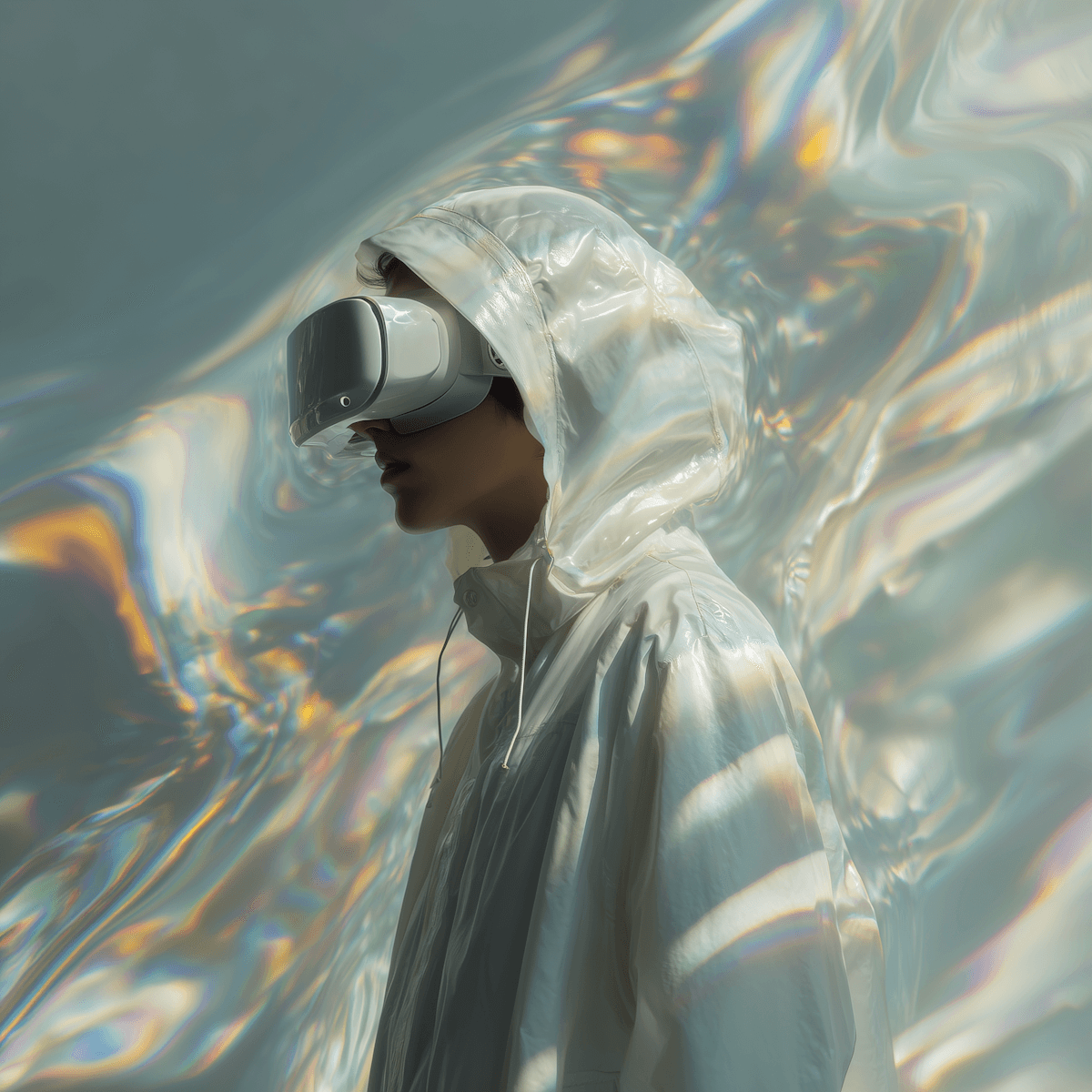
Flat pages are giving way to spatial experiences. In AR, digital layers sit on top of real spaces. In VR, entire worlds are built for exploration. XR combines them both, offering endless possibilities. Designers must now think about space, depth, and interaction in three dimensions.
Everyday Applications
Immersive tech isn’t limited to gaming anymore. It’s entering classrooms, workplaces, and retail stores.
Education: virtual field trips that bring history to life.
Retail: try-before-you-buy AR experiences.
Work: virtual collaboration in shared 3D spaces.
These uses show how immersion can solve real problems, not just entertain.
Challenges Ahead
Designing for AR and VR isn’t simple. Hardware limitations, motion sickness, and accessibility are hurdles. Interfaces must be intuitive in both physical and digital contexts. A cluttered VR environment is as frustrating as a slow website. Solving these challenges will define immersive design's success.
Human-Centered XR
Technology matters, but people matter more. The best immersive experiences respect comfort, attention spans, and emotional responses. Designing with empathy means creating XR that feels natural, safe, and enjoyable for everyone.
Key Takeaways
Immersion builds stronger connections.
AR adds smart layers to reality.
VR unlocks limitless learning and play.
Natural interaction reduces complexity.
Mixed reality creates richer experiences.