How Robots Learn Empathy
Designing advanced robotics for enhanced human collaboration.
Robotics Design
|
7 min read

Written by:
Isabella Miller
Robotics Designer

How Robots Learn Empathy
Written by:
Isabella Miller
Robotics Designer
Share this to:
Robots are increasingly entering workplaces and public spaces. To succeed there, they must understand humans — not just the instructions they receive.
Beyond Automation
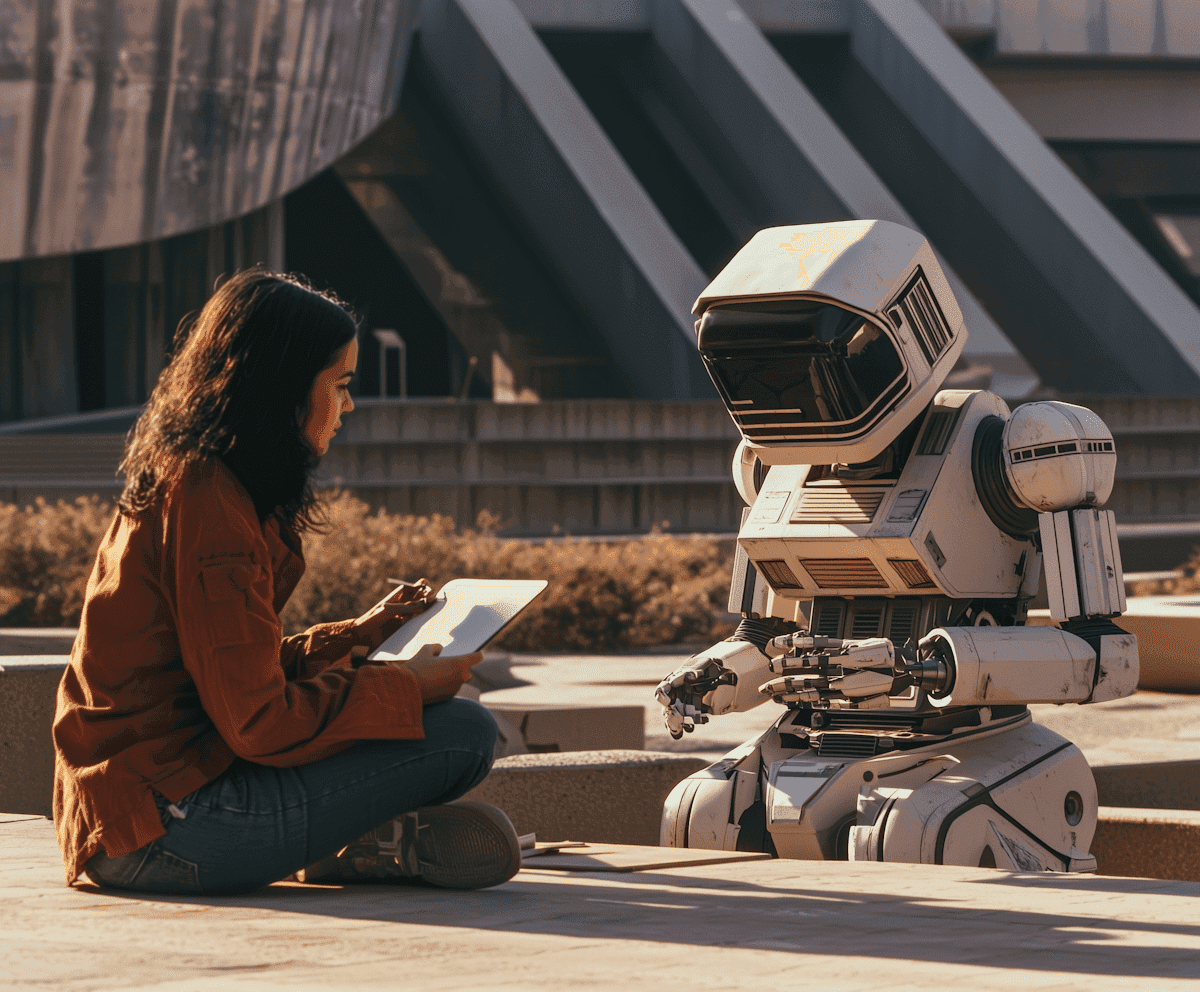
Early robots were built to replace labor. Today, they are designed to work alongside us. Collaboration requires more than speed or strength. It requires awareness, trust, and interaction. Design makes that possible.
The Language of Interaction
Robots need ways to communicate. Light signals, movement, or voice cues guide users. Interfaces must feel natural, not intimidating. A simple gesture or sound can make a robot feel friendly instead of cold.
Empathy in Design
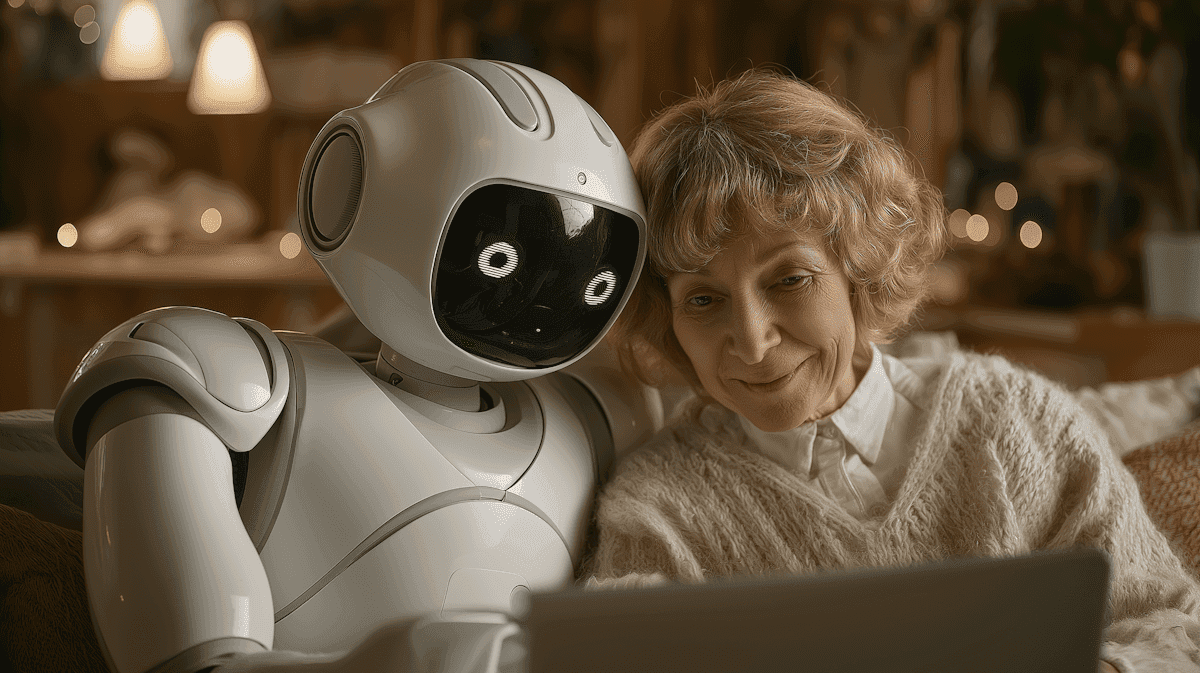
Robots cannot feel, but they can be designed to respond with empathy.
Movements can be soft or sharp, depending on context.
Voice tones can be calm and reassuring.
Interfaces can be clear and supportive, reducing stress.
These choices make humans more comfortable in working with machines.
Challenges Ahead
Designing robots is still difficult. They must operate safely in dynamic environments. They must adapt to different users with different needs. And they must balance advanced functionality with approachable design. These challenges will shape the future of robotics.
Key Takeaways
Human-first robot design.
Trust through predictability.
Robotics boosts productivity.
Clear feedback aids collaboration.
Automation supports human strengths.